






May 13th 2026
Material Selection for Wall Mirrors in Commercial Projects
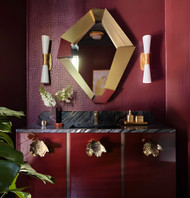
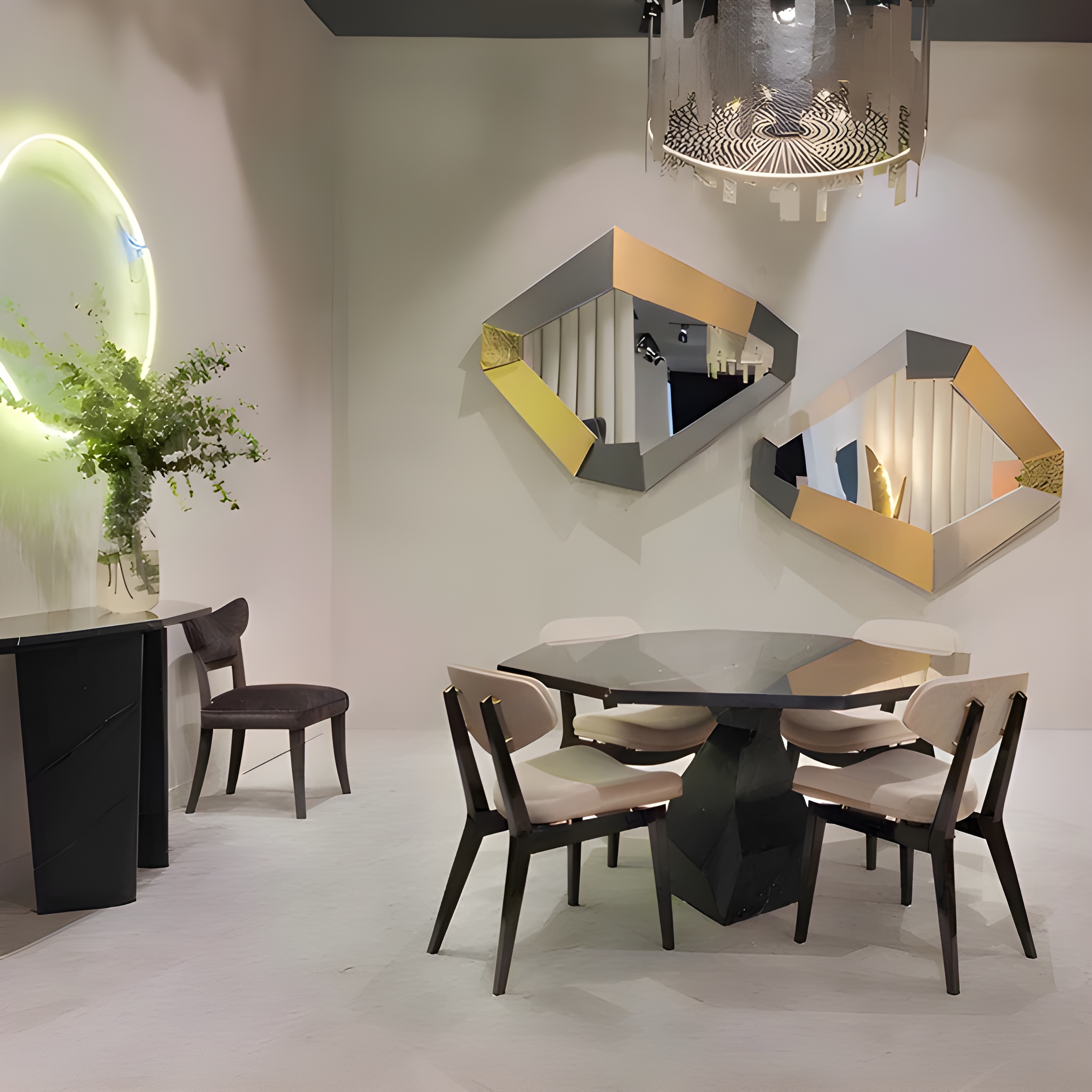
The Fragments Mirror is a study in material honesty. A mirror that reads as resolved on day one can feel misplaced within months if the finish does not hold up to daily use or the form fails to hold its own against the space it occupies.
What Are the Best Materials for Wall Mirrors in Commercial Projects?
Material choices tend to reveal themselves over time. A mirror that looks resolved on day one can feel misplaced within months if it does not hold up to daily use or reflect the tone of the space it occupies.
Durability as a Starting Point
In commercial interiors, durability is rarely an abstract concern. A mirror in a lobby or restroom is handled, cleaned, and passed by hundreds of times a day. The material has to absorb that rhythm without losing clarity or presence.
Tempered glass remains one of the most reliable options in these conditions. Its resistance to breakage makes it suitable for high-traffic environments, provided it is correctly specified and installed. Acrylic, by contrast, introduces a different kind of resilience. It is lighter, less prone to shattering, and often chosen in spaces where safety and ease of installation matter more than optical precision.
How Material Shapes the Room
A wall mirror is rarely just reflective. It carries weight in how a room is read. Glass offers a direct, unfiltered reflection that aligns naturally with contemporary interiors, especially when left frameless or paired with minimal detailing.
Framing shifts the conversation. A distressed or material-rich frame can anchor a boutique environment, while a restrained metal or wood surround can sharpen the tone of a more formal setting. Even subtle interventions such as tinted glass or reflective films can alter the atmosphere, introducing color and depth without adding objects to the room.
Understanding the Material Palette
Each material brings its own set of behaviors. Glass remains the reference point for clarity and versatility, though it requires careful handling. Acrylic introduces flexibility and safety, particularly in active environments, at the cost of being more susceptible to surface wear.
Metal mirrors occupy a more sculptural position. Stainless steel or aluminum surfaces reflect light differently, often slightly diffused, and can double as architectural elements rather than purely functional pieces. Vinyl-backed mirrors sit somewhere in between, offering a balance of durability and lightness, particularly in projects that extend outdoors or into variable climates.
Maintenance as Part of Design
The reality of upkeep often defines whether a material continues to work in a space. Glass requires regular cleaning to maintain its sharp reflection, and the wrong tools can leave marks that accumulate over time.
Acrylic simplifies handling and reduces the risk of breakage, though it benefits from gentler cleaning methods to preserve its surface. Metal finishes tend to be more forgiving in day-to-day use, especially in stainless steel, but may require occasional attention to maintain their original tone, particularly in humid conditions.
Cost and Long-Term Value
Budget decisions around wall mirrors often come down to scale and longevity. Glass typically sits at a higher price point, but its clarity and durability make it a consistent choice for long-term installations.
Acrylic offers a more accessible route, especially for larger applications where weight and cost need to be controlled. Installation should also be considered early in the process. Heavier materials or more complex mounting systems can shift the overall cost significantly, even when the material itself seems straightforward.
A Considered Selection
Choosing the right material for wall mirrors is less about preference and more about alignment. The demands of the space, the level of interaction, and the visual language of the interior all shape the decision.
At Mondo Collection, mirrors are approached in the same way as furniture and lighting. They are selected not only for how they look, but for how they perform over time and how they sit within a larger composition. Many are available through trade access or made to order, allowing each project to resolve itself with the right balance of material, proportion, and intent.